Complete Japan Itinerary and Travel Guide for First Timers: 10 Days in Japan

The first-time traveller will find Japan the best place to visit due to its safety, efficiency, and culture. To enable first-time visitors to Japan to plan a smooth sail, memorable trip, this Japan travelling guide offers practical Japan travelling tips 2026, 10 days in Japan itinerary, transport tips, food tips, and etiquette tips.
1. General tips for visiting Japan as first-timers
The first-time in Japan tips involve the use of cash, scheduling transportation, and adhering to local regulations. Japan is the fifth safest country in the globe and this makes it user-friendly. Get offline maps, study simple phrases and never forget to carry your passport to shop tax free.
Tax-Free Shopping in Japan
The rules of tax-free shopping Japan give a tourist the opportunity to save 10% VAT on the amounts exceeding Y=5,000. Present your passport in a licensed store. Tax-free shopping is one of the simplest methods of minimizing costs of travel in Japan and is used by more than 60 percent of the visitors.
Handling your Luggage in Japan
Coin locker Luggage storage in Japan The types of luggage storage available in Japan are coin lockers, hotel storage, and luggage forwarding. More than three-quarters of travellers utilize the services of luggage delivery to transport bags across urban areas. This facilitates traveling by trains particularly on a hectic itinerary in Japan in the beginning.
Japanese Rules and Etiquette: Do’s and Don’ts
The Japanese etiquette rules would be to take off shoes when in the house, keep low tones on the train and not picking things. By observing these traditions, you have a better experience and dealings. Japanese like courtesy and expected rules of etiquette will guarantee first-time visitor that visiting Japan will bring him or her to feel at home and valued.
Useful Japanese Phrases
It goes far in the acquisition of basic expressions like Arigatou (thank you), Sumimasen (excuse me). Though the English language is also common in the urban places, Japanese expressions are polite and should be employed to further the communication with the locals.
2. Planning your Japan trip
An organized Japan travel is a must. Good preparation saves time and money especially when it comes to Japan entry requirements 2026 as well as transport, seasons, and costs. The majority of travellers that book in advance claim reduced daily cost and reduced travel problems.
Entering Japan
The entry requirements in Japan 2026 will be a valid passport and visa-free access by most nationalities. Immigration is effective with most of the major airports such as Tokyo Haneda and Narita getting the average processing time of less than 30 minutes.
How many days should I spend in Japan?
To be able to explore the whole of Japan in just 10 days, it is perfect when one is a beginner. It gives time to visit Tokyo, Kyoto, Osaka and surrounding day tours without being in a hurry as well as combining sightseeing, food and culture.
Getting to and from the airport
Airport in Japan is also well joined to the trains, buses and taxis. Narita and Haneda provide direct rail connection to Tokyo within less than one hour, and thus, airport transfers are quite easy and trustworthy to first-time visitors.
Getting around in Japan
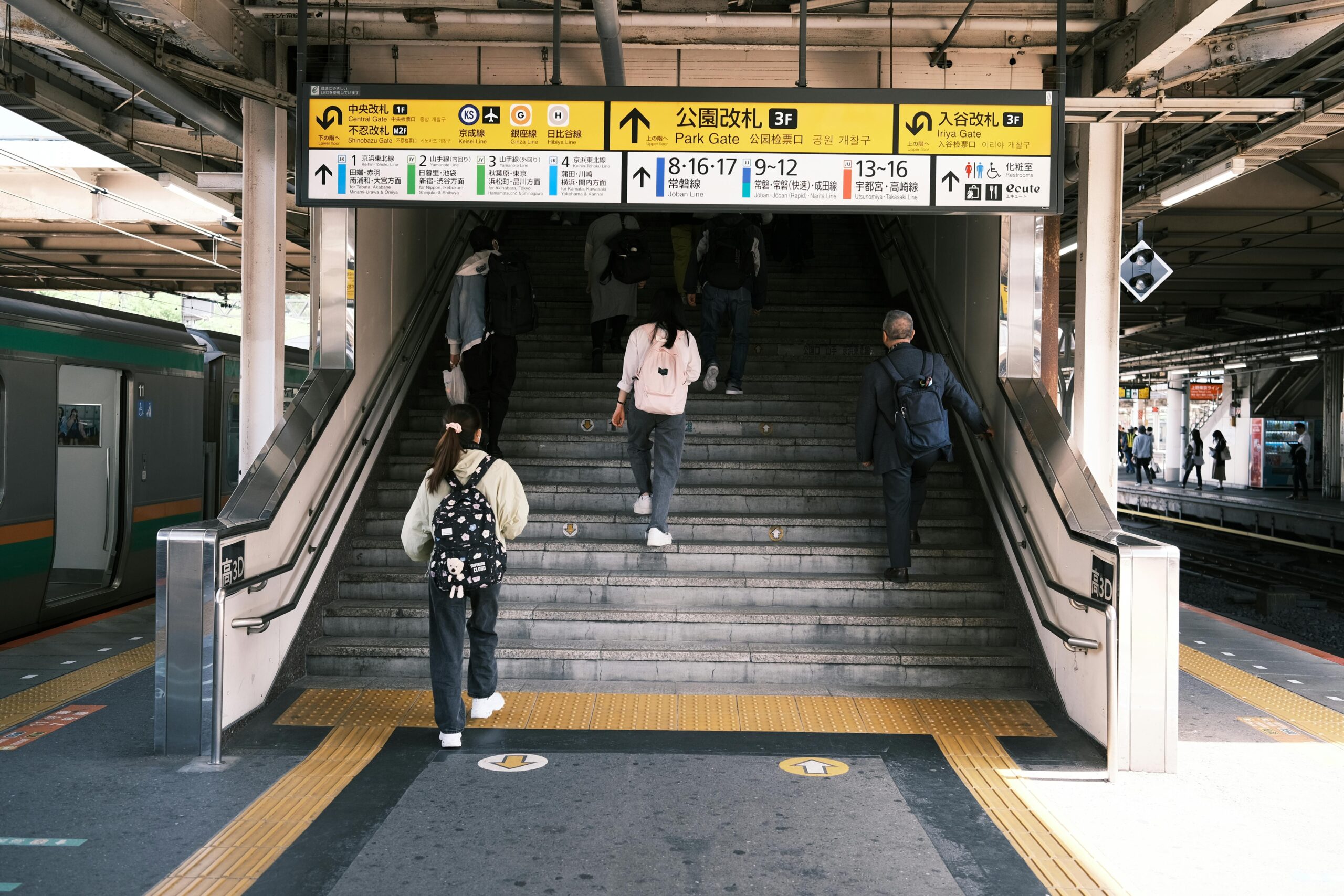
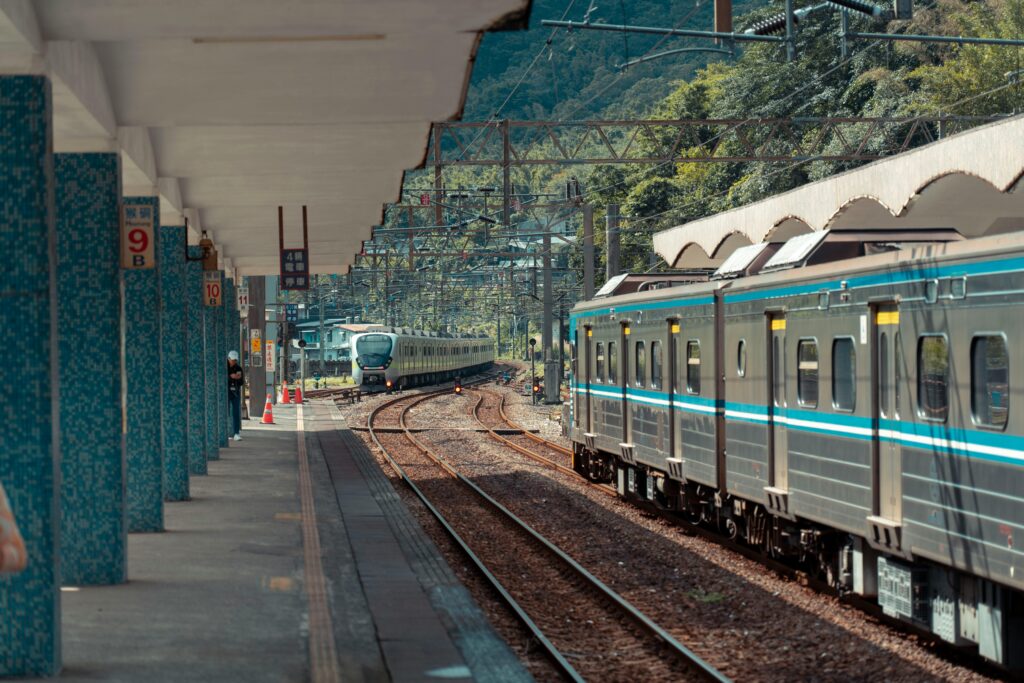
This Japan transport adviser identifies trains, metros and buses as the most suitable. The trains in Japan are time efficient 99 percent of the time hence using the transport is the quickest and surest means to reach various cities.
Seasons in Japan: When is the best time to go to Japan?
During spring (March-May) and fall (September-November) it has the most perfect seasons and should be visited. These seasons are cool weather and picturesque backgrounds. The season of the cherry blossom alone receives millions of international visitors annually.
Costs in Japan: How much does a trip to Japan costs?
Japan is not expensive when planned. Budget travellers pay about Y=8,000-Y=12,000 one day food and transport. There are convenience shops and cheap rail tickets that can make traveling costs be lower.
3. Japan itinerary, what to do and where to go
Beginner Japan itinerary is a well-organized program that assists in exploring major attractions in Japan. The most common choice is the Golden Route which is popular among more than 60 percent of first-time visitors and it is a combination of cities, culture, food and scenic day trip.

The 10 Days Golden Route Itinerary
It is the Golden Route that comprises of Tokyo, Hakone or Fuji mountain, Kyoto, Nara and Osaka. It is offering the ideal combination of modern cities, culture and nature that would be ideal to first time travellers.
Day 1 to 3: Tokyo
Tokyo is a mixture of the traditional and modern world comprising of shopping, temples, and food. It is deemed to be among the most demanded cities globally.
Day 4 to 5: Hakone or Mount Fuji (Lake Kawaguchi)
The trip that includes the hot springs, lakes, and the views is that of one day trip to the Hakone or Fuji mountain. Lake Kawaguchi has much Fuji views and Hakone is taken as the location of exotic routes and temposome atmosphere.
Day 6 to 7: Kyoto
Kyoto travel tips involve visiting temples in the mornings and going to the traditional streets. Kyoto has more than 1,600 temples and shrines and this city is the cultural core of Japan and its first time visitors will definitely want to visit it.
Day 8: Nara
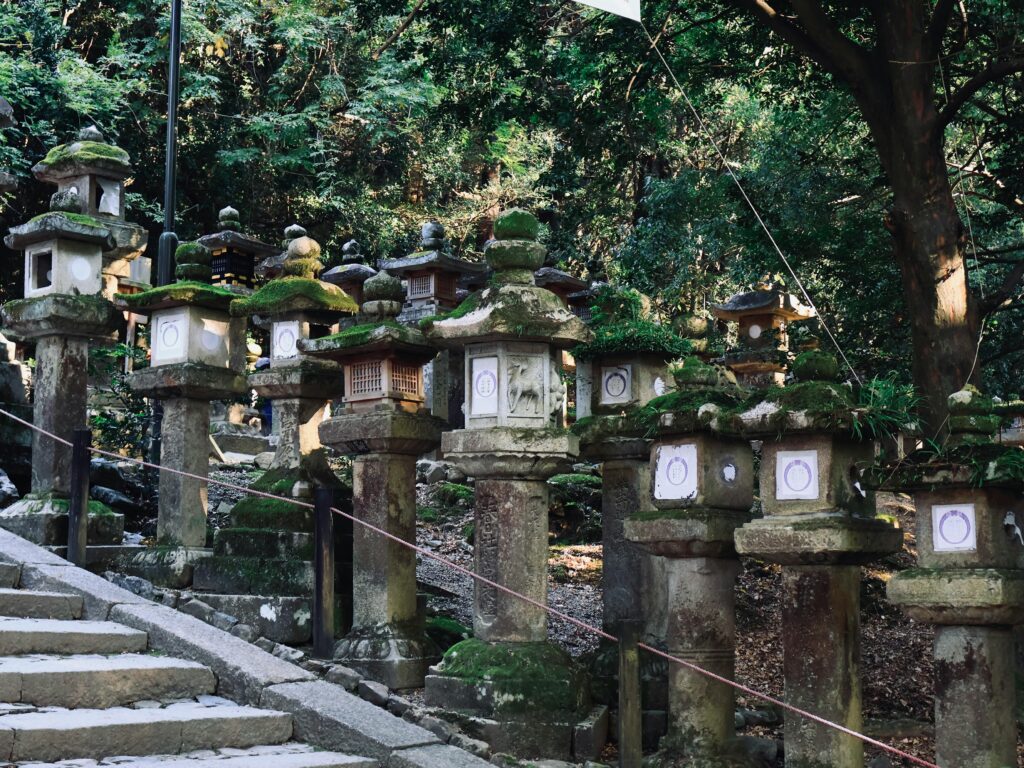
It is not difficult and rewarding to make a Nara day trip of Kyoto or Osaka. Nara boasts of hospitable deer and ancient temples. It is small, cheap and ideal in a leisurely cultural day.
Day 9 to 10: Osaka
Here are Osaka sightseeing guide, which puts emphasis on street food, nightlife, and Osaka Castle. Osaka is also referred to as the food capital of Japan where one can find affordable food and have fun so that they can end their trip.
4. Other places in Japan worth checking out
In case of time, go to Hiroshima, Hokkaido or Okinawa. These are places that are not located on the main route and have history, nature, and beach, which is appropriate to those travellers who do not want to experience big cities.
What to eat in Japan?
These foods are sushi, ramen, tempura, and takoyaki that should be eaten in Japan. Japanese food to must-try is also very inexpensive, a lot of the food costing less than Y=1,000. The quality of food available in restaurants and convenience stores is always of high quality.
Faqs
Is Japan expensive for tourists?
Japan is affordable when planned. The low-cost meals, transportation, and capsule hotels allow keeping daily expenses minimal and continue the quality of traveling high.
How many days do I need in Japan?
The first time visitor will be able to complete a trip of Tokyo, Kyoto, Osaka and day trips just within 10 days in Japan.
Can I travel Japan without speaking Japanese?
Yes, it is easy to travel without Japanese language in Japan. In large cities, the tourist is assisted by English signs, translating applications, and friendly locals.
Do I need a Japan Rail Pass?
Japan Rail Pass is convenient in a multicity travel. In the case of the Golden Route itinerary, it tends to be cheaper than the standby tickets.
Is tipping required in Japan?
In Japan, there is no need to tip. Prices are inclusive of service and tipping can be confusing and awkward.